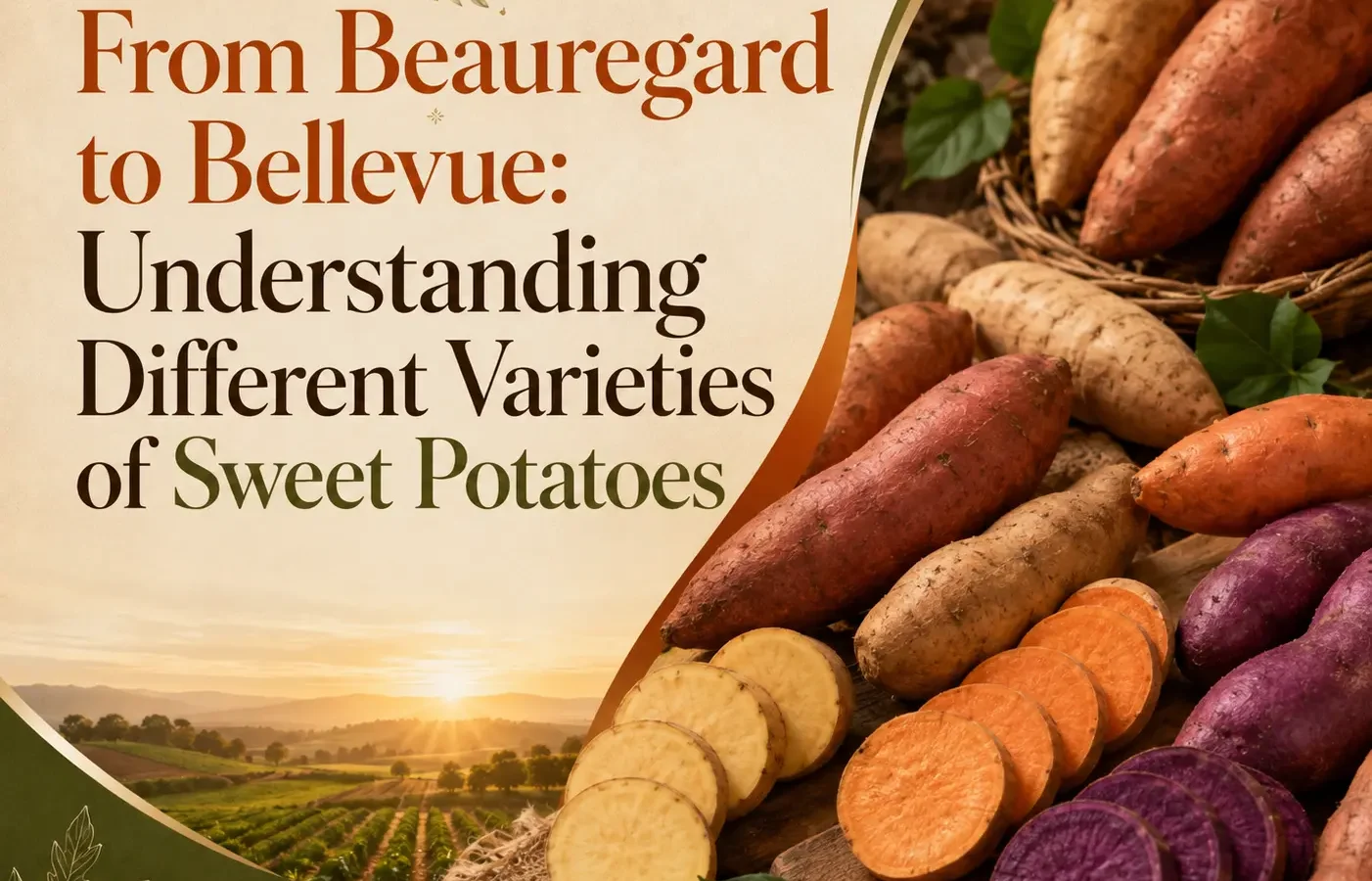
There is no single sweet potato variety that suits every market. Differences in appearance, texture, sweetness, and storage performance can all influence how a product is received by consumers and how well it performs across the supply chain. Understanding the different varieties of sweet potatoes helps importers, wholesalers, and retailers choose products that align with their customers’ preferences while meeting commercial quality standards.
Among the most popular export varieties, the Beauregard sweet potato has earned a strong reputation for its attractive appearance, balanced flavor, and reliable performance in international markets. However, it is not the only option available. Varieties such as Bellevue offer their own unique advantages depending on the destination market and intended use. In this article, we’ll explore the characteristics of the most common sweet potato varieties, compare their strengths, and help you understand which variety may be the best fit for your business.
Why Different Varieties of Sweet Potatoes Matter
Not all sweet potatoes offer the same characteristics, which is why understanding the different varieties of sweet potatoes is essential for buyers, importers, and distributors. Each variety has its own combination of appearance, flavor, texture, and commercial performance, making it suitable for different consumer preferences and market demands. Choosing the right variety helps businesses deliver a product that meets customer expectations while supporting long-term commercial success.
Every Market Has Different Customer Preferences
Consumer preferences vary from one country to another. While some markets prioritize sweetness and vibrant orange flesh, others place greater importance on texture, cooking performance, or product presentation. Understanding these differences helps buyers select the variety that best matches local demand.
When evaluating sweet potato varieties, buyers often consider:
- Preferred skin and flesh color.
- Flavor profile and natural sweetness.
- Cooking applications.
- Retail presentation and product size.
For example, many retailers choose the Bellevue sweet potato because of its uniform appearance and consistent quality, making it well suited for attractive retail displays and dependable distribution.
Variety Affects More Than Appearance
Although appearance influences purchasing decisions, the differences between varieties extend far beyond what customers see. Characteristics such as texture, moisture content, sweetness, and storage performance all affect the overall value of the product.
A premium Beauregard sweet potato, for example, is recognized for its balanced sweetness, vibrant orange flesh, and versatility across a wide range of cooking methods. These qualities have made it one of the most widely traded sweet potato varieties in international markets.
Other factors buyers should evaluate include:
- Shelf-life performance.
- Resistance to handling during transport.
- Suitability for processing or fresh consumption.
- Consistency across commercial shipments.
Choosing the Right Variety Supports Better Business Results
Selecting the right variety is a strategic business decision rather than simply choosing between two products. Understanding the different varieties of sweet potatoes allows buyers to source products that align with consumer demand while improving operational efficiency.
The right variety can help businesses:
- Meet market-specific customer expectations.
- Improve product consistency.
- Reduce complaints and product waste.
- Strengthen long-term relationships with retailers and distributors.
Whether the preferred choice is a Beauregard sweet potato for its versatility or a Bellevue sweet potato for its consistent presentation, selecting the right variety helps businesses build a stronger and more competitive product offering.
What Makes Sweet Potato Varieties Different?
The different varieties of sweet potatoes are not defined by appearance alone. Each variety develops its own balance of colour, texture, sweetness, shape, and storage performance. These characteristics influence how the product is presented, cooked, transported, and received in different markets, making variety selection an important commercial decision for buyers.
Skin and Flesh Colour
Colour is often the first feature consumers notice. Some varieties have copper or reddish skin with deep orange flesh, while others may appear lighter or more uniform.
These differences can affect:
- Retail presentation.
- Consumer preference.
- Product recognition.
- Suitability for specific market segments.
For example, the Beauregard sweet potato is widely recognised for its copper-toned skin and vibrant orange flesh, giving it strong visual appeal in both wholesale and retail settings.
Texture and Sweetness
Sweet potato varieties can also differ significantly after cooking. Some become soft, moist, and naturally sweet, while others maintain a firmer texture with a milder flavour.
Buyers often consider:
- Natural sweetness.
- Moisture level.
- Texture after cooking.
- Suitability for baking, roasting, frying, or processing.
These qualities help determine whether a variety is better suited to fresh consumption, food service, or industrial use.
Shape, Size, and Shelf-Life Performance
Uniform shape and size make sweet potatoes easier to grade, pack, and display. Shelf life is equally important, especially for products travelling through long international supply chains.
Commercial performance depends on:
- Consistent sizing.
- Smooth skin and limited defects.
- Resistance to handling damage.
- Reliable storage quality.
Knowing when to harvest sweet potatoes also affects these characteristics, as the correct harvest stage supports stronger skin, better sizing, and improved post-harvest performance.
Beauregard Sweet Potato: A Global Commercial Favorite
The Beauregard sweet potato has become one of the most established varieties in international markets because it offers the balance buyers look for: attractive presentation, dependable quality, and broad consumer appeal. Its consistent commercial performance makes it suitable for retail, wholesale, and food-service channels, while its familiar flavour and appearance help it remain a reliable choice across different markets.
Characteristics of Beauregard Sweet Potato
Beauregard is easy to recognise and widely valued for its strong visual and eating qualities. Its main characteristics include:
- Smooth copper-coloured skin.
- Rich orange flesh.
- A naturally sweet, balanced flavour.
- A soft, creamy texture after cooking.
- Consistent shape and sizing for commercial grading.
These qualities depend on more than the variety itself. Knowing how to grow sweet potatoes under suitable soil, irrigation, and harvesting conditions helps protect the root’s appearance, texture, and final market quality.
Best Uses Across Retail and Food Service
The variety’s versatility allows it to serve several commercial applications, including:
- Fresh supermarket displays.
- Baking and roasting.
- Fries, wedges, and purées.
- Restaurant and catering menus.
- Processed and prepared food products.
Its recognisable flavour and texture make it easy for buyers to position across both everyday and premium product ranges.
Why International Buyers Continue to Choose Beauregard
International buyers continue to select Beauregard because it delivers a dependable combination of quality, flexibility, and consumer familiarity. Its attractive colour supports retail presentation, while its cooking performance makes it suitable for multiple uses.
For importers and distributors, these advantages help support:
- Consistent repeat orders.
- Easier product positioning.
- Reliable quality across shipments.
- Strong acceptance among consumers.
Bellevue Sweet Potato: Built for Consistency
For importers and distributors, consistency can be just as important as flavour or appearance. The Bellevue sweet potato is valued for its uniform shape, dependable quality, and ability to maintain a strong presentation throughout the supply chain. Supported by carefully managed sweet potato farming, it offers the reliability commercial buyers need when planning repeat orders for retail, wholesale, and food-service markets.
What Makes Bellevue Sweet Potato Stand Out?
Bellevue delivers a balanced combination of visual appeal and practical performance. Its characteristics make grading and packing more efficient while helping buyers maintain consistent standards across shipments.
Key qualities include:
- Smooth skin and an attractive finish.
- Uniform sizing suitable for commercial grading.
- Firm texture that performs well during handling.
- Consistent internal quality after cooking.
These strengths distinguish Bellevue among the different varieties of sweet potatoes available to international buyers.
Commercial Advantages for Export Markets
Products travelling long distances must withstand storage, loading, and distribution without losing their commercial value. Bellevue supports this requirement through:
- Reliable shelf-life performance.
- Strong resistance to handling damage.
- Consistent presentation upon arrival.
- Reduced waste throughout distribution.
These advantages give importers greater confidence when supplying demanding retail and wholesale customers.
When Bellevue Is the Right Choice
Bellevue is particularly suitable for markets where uniformity, durability, and presentation are purchasing priorities. Buyers may choose it when they need predictable sizing or a variety capable of maintaining quality through extended distribution.
While the Beauregard sweet potato is often selected for its familiar sweetness and orange flesh, Bellevue may be the stronger option when consistency and transport performance are the main commercial considerations.
Choosing Between Beauregard and Bellevue
Selecting the right variety isn’t about finding a universally “better” sweet potato—it’s about understanding which one best supports your market, customers, and commercial objectives. While both varieties are widely recognized for their quality, each offers unique characteristics that appeal to different buyers. Comparing the different varieties of sweet potatoes helps importers and distributors make informed purchasing decisions based on performance rather than assumptions.
Comparing Appearance and Flesh Quality
Appearance plays an important role in attracting consumers, especially in retail environments where visual presentation often influences purchasing decisions. Although both varieties offer excellent commercial quality, they differ slightly in the way they are presented.
The Beauregard sweet potato is known for its smooth copper-colored skin and vibrant orange flesh, giving it a warm, familiar appearance that many consumers recognize. Bellevue, on the other hand, is appreciated for its exceptional uniformity, making it an attractive option for buyers who prioritize consistency in grading, packing, and retail display.
Comparing Taste, Texture, and Cooking Performance
Consumer preferences extend beyond appearance. The eating experience is equally important, particularly in markets where sweet potatoes are used in a variety of recipes and food-service applications.
While both varieties perform well after cooking, buyers may compare them based on:
- Natural sweetness.
- Texture after baking or roasting.
- Moisture content.
- Suitability for fresh consumption or food processing.
These characteristics are influenced not only by the variety itself but also by cultivation practices. Proper field management and understanding how to farm sweet potatoes help ensure each variety develops the flavor and texture expected by international buyers.
Which Variety Fits Your Market Best?
The best choice ultimately depends on the destination market and the expectations of the end customer. Some buyers prefer the familiar taste and appearance of Beauregard, while others prioritize the consistent sizing and presentation offered by the Bellevue sweet potato.
Before making a purchasing decision, it’s worth considering:
- The preferences of your target consumers.
- Whether the product is intended for retail, wholesale, or food service.
- Packaging and presentation requirements.
- Storage and transportation conditions.
- Long-term consistency across repeat orders.
By evaluating these factors alongside the different varieties of sweet potatoes available, buyers can select the variety that delivers the greatest value for their business while meeting the expectations of their customers.
Factors to Consider Before Selecting a Variety
Choosing between the different varieties of sweet potatoes involves more than comparing appearance or taste. A variety that performs well in one country may not be the best fit for another, depending on consumer preferences, distribution channels, and seasonal demand. Before placing an order, buyers should evaluate several commercial factors to ensure they select a variety that aligns with both market expectations and business objectives.
Target Market Expectations
Every destination market has its own purchasing habits. Some consumers look for sweeter varieties with vibrant orange flesh, while others prioritize consistency, presentation, or cooking performance. Understanding these expectations helps buyers select products that are more likely to succeed once they reach retailers.
Before choosing a variety, consider:
- Consumer preferences in the destination market.
- Retail versus food-service requirements.
- Preferred size, shape, and flesh colour.
- Typical cooking applications.
The growing conditions behind these characteristics are equally important. Factors such as the 7 Nile Delta soil advantages contribute to producing sweet potatoes with the appearance, flavour, and consistency that many international buyers seek.
Packaging and Shipping Requirements
The journey from farm to destination can influence product quality just as much as the variety itself. Proper packaging protects sweet potatoes during storage and transportation while helping maintain their market value.
Buyers should evaluate:
- Packaging formats required by the destination market.
- Ventilation that helps preserve freshness.
- Protection against bruising during handling.
- Compliance with retailer or importer specifications.
A variety that travels well can help reduce waste and improve customer satisfaction upon arrival.
Seasonal Availability and Supply Planning
Reliable supply is another key consideration when selecting a variety. Working with experienced suppliers allows buyers to plan purchases around harvest seasons while maintaining consistent availability throughout the year.
Effective supply planning helps businesses:
- Maintain stock during periods of high demand.
- Reduce supply interruptions.
- Improve inventory management.
- Build stronger long-term sourcing strategies.
By considering market expectations, logistics, and seasonal availability alongside the Beauregard sweet potato or other suitable varieties, buyers can make sourcing decisions that support both operational efficiency and long-term commercial success.
How Farm Sweet Helps Buyers Choose the Right Variety
Choosing the right sweet potato variety is only part of the equation. Equally important is working with a supplier that understands international market requirements and delivers consistent quality from planting to shipment. At Farm Sweet, every stage of production is carefully managed to ensure buyers receive products that meet their specifications, whether they are sourcing for retail, wholesale, or food-service markets. With years of experience in growing sweet potatoes for export, we help our partners select the variety that best fits their commercial needs while ensuring dependable quality throughout the supply chain.
Premium Beauregard and Bellevue Production
Farm Sweet specializes in producing both the Beauregard sweet potato and Bellevue sweet potato, giving buyers access to two of the most trusted export varieties. Each crop is cultivated under carefully managed conditions to achieve consistent size, colour, texture, and overall quality.
By focusing on proven production practices, we help ensure:
- Uniform harvests suitable for export.
- Consistent grading across every shipment.
- Reliable product quality throughout the season.
- Sweet potatoes that meet international market expectations.
This allows buyers to source the variety that best aligns with their customers’ preferences without compromising on quality.
Consistent Quality Control from Farm to Shipment
Maintaining quality requires attention at every stage of the supply chain, not just during harvest. Our quality control process begins in the field and continues through sorting, grading, packing, storage, and final shipment.
Every shipment is prepared with a focus on:
- Careful selection and grading.
- Protection during handling and packing.
- Consistent product presentation.
- Compliance with export requirements.
This structured approach helps reduce waste, improve shipment consistency, and give buyers greater confidence in every order.
Reliable Export Solutions for International Markets
Exporting fresh produce requires more than supplying quality crops. It also demands reliable logistics, clear communication, and the ability to meet delivery schedules across different international markets.
Farm Sweet works closely with buyers to provide export solutions that support long-term business relationships through:
- Flexible order planning.
- Professional export packaging.
- Reliable shipping coordination.
- Consistent supply for repeat orders.
Whether you’re looking for the different varieties of sweet potatoes for a retail chain, wholesale distribution, or food-service operation, Farm Sweet provides the expertise and dependable supply needed to support your business with confidence.
Final Thoughts: Finding the Right Sweet Potato Variety for Your Business
Selecting the right sweet potato variety is about finding the best fit for your market rather than choosing one variety over another. Factors such as consumer preferences, product presentation, shipping requirements, and long-term supply all play an important role in making the right sourcing decision. Whether your business prefers the familiar characteristics of the Beauregard sweet potato or the exceptional consistency of the Bellevue sweet potato, understanding these differences helps you build a more reliable and competitive supply chain.
At Farm Sweet, we believe successful partnerships begin with understanding each buyer’s unique requirements. From helping you choose between the different varieties of sweet potatoes to ensuring every shipment meets international quality standards, our team is committed to delivering products that support your business goals. If you’re looking for expert guidance or would like to discuss your sourcing needs, contact our Farm Sweet team to discover the variety that best matches your market and experience the confidence of working with a trusted Egyptian sweet potato exporter.
FAQs: Different Varieties of Sweet Potatoes
- What are the most common different varieties of sweet potatoes?
The most common commercial varieties include Beauregard sweet potato, Bellevue sweet potato, and several white- and purple-fleshed varieties. Each offers unique characteristics in appearance, flavour, texture, and market suitability.
- What makes Beauregard sweet potato a popular choice?
Beauregard sweet potato is widely recognized for its orange flesh, smooth skin, balanced sweetness, and consistent quality, making it a preferred option for retail, food service, and export markets.
- What are the advantages of Bellevue sweet potato?
Bellevue sweet potato is valued for its uniform size, attractive appearance, reliable quality, and strong performance during storage and international shipping.
- How do I choose between Beauregard and Bellevue sweet potatoes?
The right choice depends on your target market, customer preferences, intended use, and commercial requirements. Comparing factors such as appearance, texture, flavour, and shelf life can help determine the best fit.
- Does the sweet potato variety affect export quality?
Yes. While proper growing, harvesting, and packing are essential, the chosen variety also influences product appearance, storage performance, and overall market acceptance, making variety selection an important part of export success.